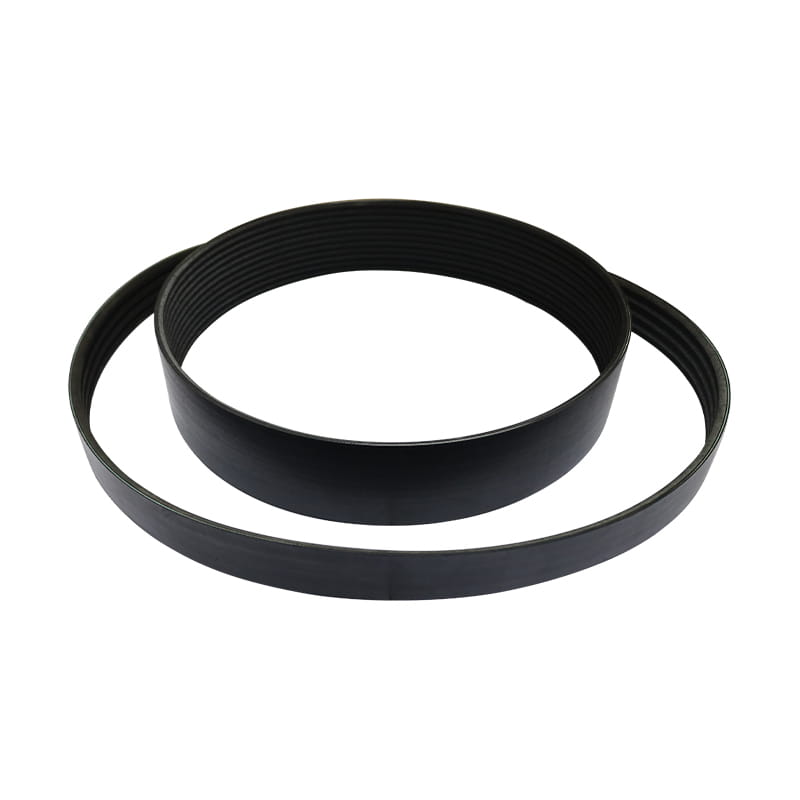
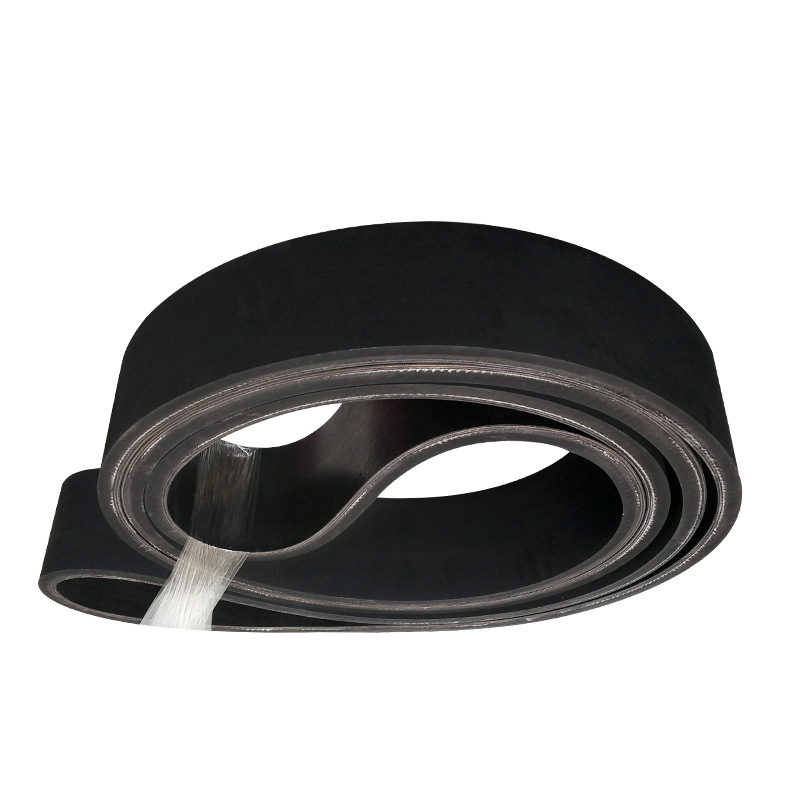
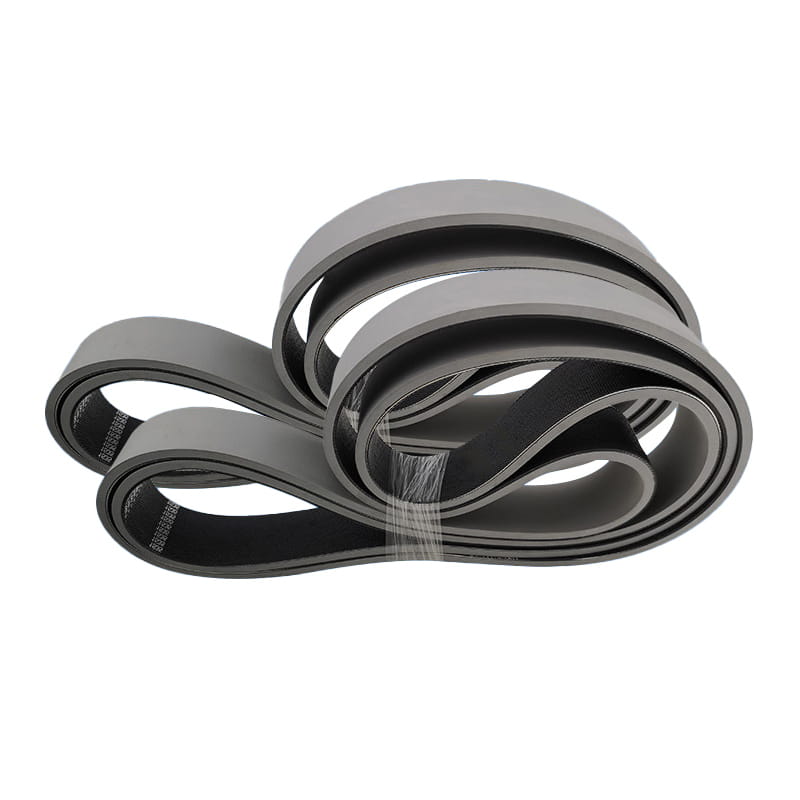
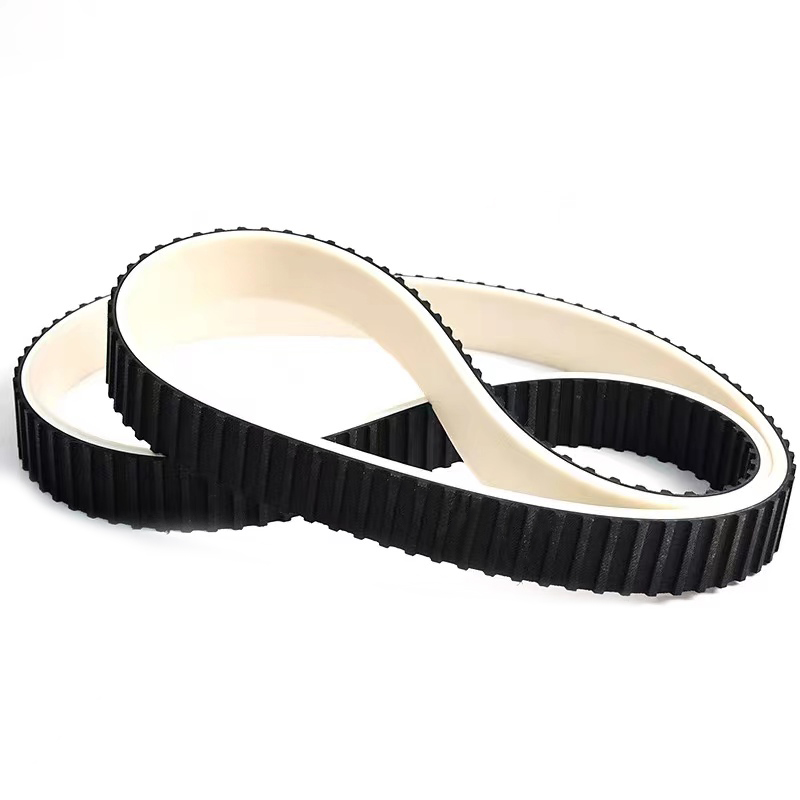
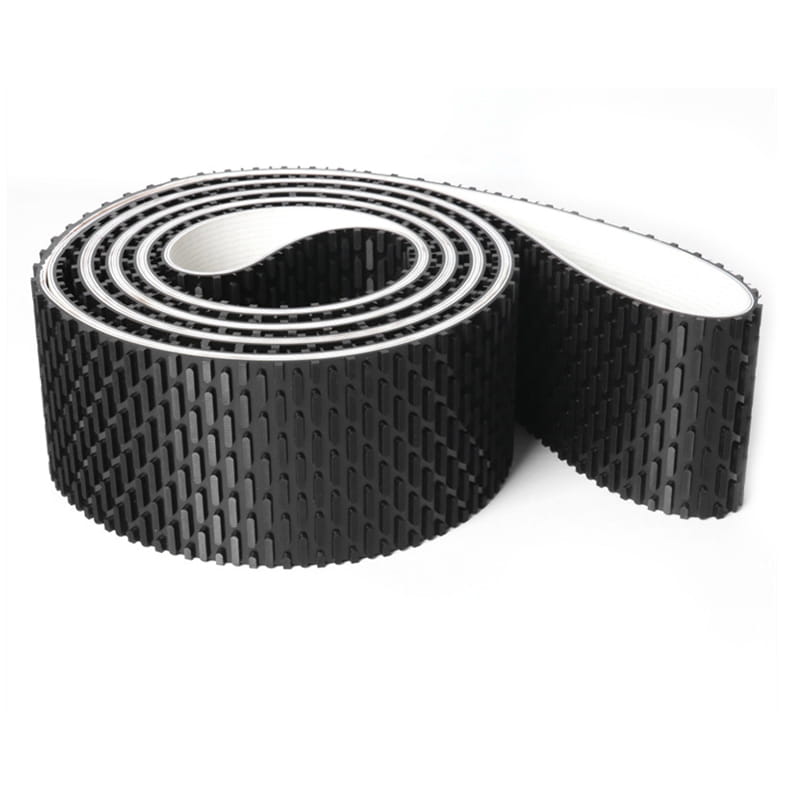
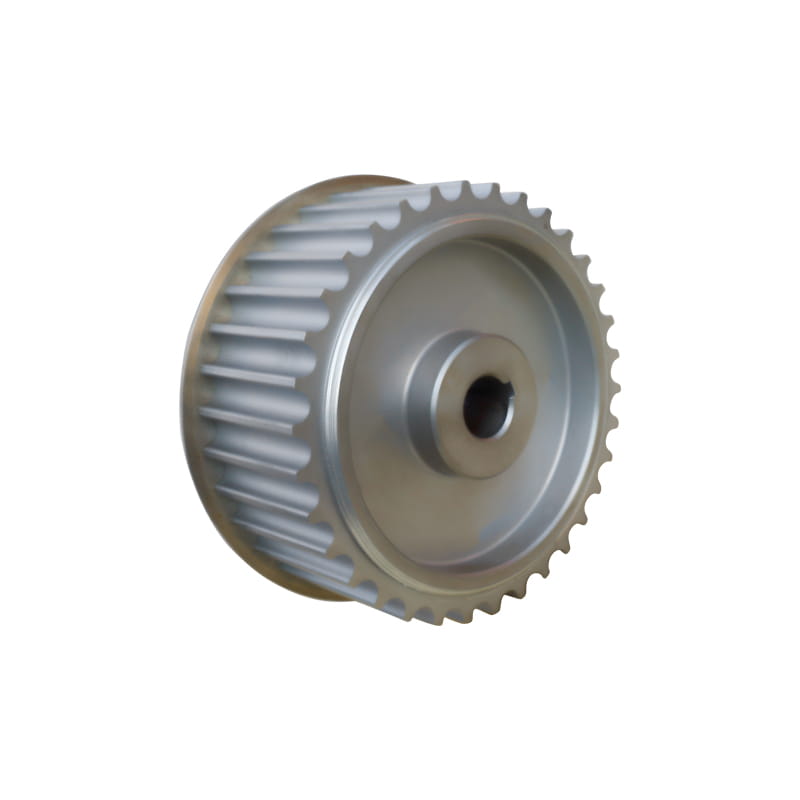
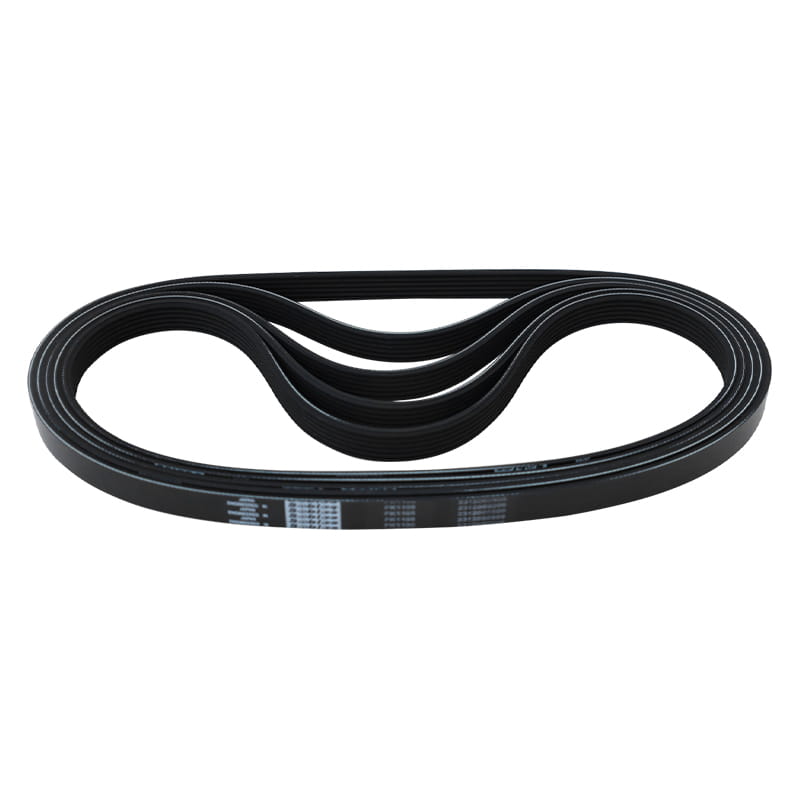
Gumeni rebrasti pojasevi -- koji se nazivaju i višestruki klinasti remeni, višerebrasti remeni ili zmijoliki remeni -- jesu fleksibilni remeni za prijenos snage izrađeni od elastomerne gumene smjese ojačane uzdužnim zateznim užadima, s nizom paralelnih rebara u obliku slova V koja prolaze duž njihove unutarnje površine . Ta rebra sjedaju u odgovarajuće utore na remenicama koje pokreću, kombinirajući fleksibilnost ravnog remena s pozitivnim prianjanjem više klinastih remena u jednoj kompaktnoj jedinici. Standardni 6PK rebrasti remen, na primjer, pakira nosivost tri konvencionalna klinasta remena samo u profil 21,4 mm širine -- omogućavanje kompaktnih, učinkovitih pogonskih sustava koji se nalaze u modernim automobilskim motorima, industrijskim strojevima, opremi za fitness i kućanskim aparatima diljem svijeta. Ovaj članak objašnjava točno što su gumeni rebrasti remeni: njihovu strukturu, materijale, standarde geometrije, proizvodni proces i raspon primjena u kojima su preferirano rješenje za prijenos snage.
Anatomija gumenog rebrastog pojasa: četiri strukturna sloja
Gumeni rebrasti remen nije homogena gumena traka. To je precizno konstruiran kompozit od četiri različita strukturna sloja, od kojih svaki ima određenu mehaničku funkciju. Razumijevanje ove strukture objašnjava zašto rebrasti remeni nadmašuju jednostavnije dizajne remena u zahtjevnim primjenama.
Sloj 1 -- Tijelo rebra (unutarnja površina)
Najunutarnji sloj tvori sam rebrasti profil -- niz uzdužnih rebara u obliku slova V koja zahvaćaju utore remenice. Ovaj je sloj izrađen od visokokvalitetne gumene smjese -- najčešće EPDM (etilen propilen dien monomer) u modernim remenima -- odabran zbog svoje kombinacije fleksibilnosti, koeficijenta trenja i otpornosti na toplinu i ozon. Geometrija rebra definira oznaku profila remena i nosivost. Dimenzije rebara međunarodno su standardizirane prema normama ISO 9981 i DIN 7867, specificirajući precizan nagib (udaljenost od centra do središta između rebara), visinu rebra i bočni kut za svaku oznaku profila od PH do PM.
Sloj 2 -- Vlačna užad
U gumeno tijelo neposredno iznad korijena rebara nalazi se sloj vlačne užadi -- strukturna okosnica remena. Ove užadi idu uzdužno duž duljine remena u spiralnom rasporedu i nose cjelokupno vlačno opterećenje koje prenosi pogon. Ovisno o zahtjevima primjene koriste se tri materijala kabela:
- Poliester: Standardni izbor za automobilsku i opću industrijsku primjenu. Vlačna čvrstoća tipično 1200 do 1800 N po rebru za PK profil. Dobra otpornost na zamor pod cikličkim opterećenjem uz umjerene troškove.
- Aramid (para-aramidno vlakno): Koristi se u pogonima visokog napona i udarnog opterećenja. Vlačni modul otprilike 5 do 6 puta veći od poliestera , što znači dramatično manje istezanje pod vršnim opterećenjem. Specificirano za teške industrijske kompresore, start-stop pogone i strojeve s velikim momentom (izvor: Optibelt Technical Manual, Power Transmission Engineering, 2020).
- Poliamid (najlon): Odabrano tamo gdje je potrebna visoka fleksibilnost u kombinaciji s dobrom vlačnom čvrstoćom, kao što su brzi pogoni opreme za fitness s malim remenicama i mehanizmi medicinskih uređaja.
Sloj 3 -- Sloj jastuka
Između zateznih užadi i stražnjeg dijela pojasa nalazi se mekši sloj mekše gume koji povezuje užad s tijelom rebra ispod i gornjom podlogom. Ovaj sloj apsorbira različita naprezanja između krutih užadi i savitljive gumene matrice tijekom savijanja remena, sprječavajući raslojavanje užeta na gumu -- primarni način loma uslijed zamora u nedovoljno dizajniranim rebrastim remenima. Smjesa za jastuk je tipično mekša formula za mjerenje tvrdoće od smjese za rebra, optimizirana za prianjanje i otpornost na zamor, a ne za površinsko trenje.
Sloj 4 -- Poleđina od tkanine
Vanjska površina rebrastog remena -- stražnja strana koja ide uz pomoćne remenice i zatezače -- obično je prekrivena sloj tkanine , obično poliamid ili poliesterski tekstil. Ova tkanina ima tri funkcije: štiti stražnji dio gume od abrazije na mjestima gdje dolazi u dodir sa stražnjim remenicama; stabilizira poprečni presjek remena i sprječava ljepljivo lijepljenje stražnje strane za remenice ili vodilice; i pruža vizualno čistu površinu koja čini identifikacijske oznake, šifre duljine i pečate proizvođača čitljivim tijekom vijeka trajanja remena.
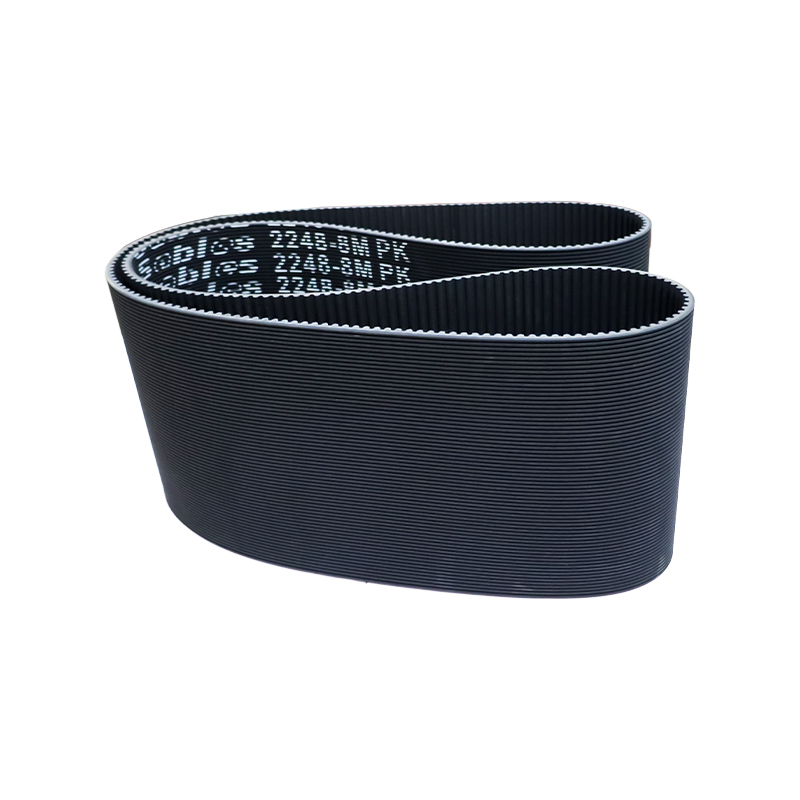
Standardi profila rebra: Međunarodni sustav označavanja
Geometrija rebra gumenog rebrastog remena nije vlasništvo nijednog proizvođača -- definirana je međunarodnim standardima koji osiguravaju potpunu zamjenjivost između remena i remenica različitih dobavljača širom svijeta. Dva vladajuća standarda su ISO 9981 (međunarodni) i DIN 7867 (Europski, usklađen s ISO 9981). Oba određuju identične dimenzije rebara u pet standardnih oznaka profila:
| Profil | Korak rebra (mm) | Visina rebra (mm) | Bočni kut | Min. Dijametar remenice (mm) | Tipične primjene |
| PH | 1.60 | 0.80 | 40 stupnjeva | 13 | Medicinski uređaji, precizni instrumenti, mali aparati |
| PJ | 2.34 | 1.00 | 40 stupnjeva | 20 | Kućanski aparati, fitness oprema, uredski strojevi |
| PK | 3.56 | 1.55 | 40 stupnjeva | 45 | Automobilski motori, HVAC, laki do srednji industrijski pogoni |
| PL | 4.70 | 2.00 | 40 stupnjeva | 75 | Poljoprivredni strojevi, teški industrijski kompresori |
| PM | 9.40 | 3.76 | 40 stupnjeva | 180 | Vrlo teški industrijski pogoni, sustavi remenica velikog promjera |
Izvor: ISO 9981:1998 / DIN 7867. Nagib rebara = udaljenost od središta do središta između susjednih rebara. Minimalni promjer remenice je najmanji preporučeni promjer remenice za taj profil.
Oznaka pojasa kao što je 6PK1750 kodira sva tri kritična specifikacijska parametra u standardiziranom formatu: 6 = broj rebara, PK = oznaka profila, 1750 = efektivna duljina u milimetrima. Ovaj sustav označavanja, definiran u ISO 9981, čini unakrsno referenciranje između proizvođača i potvrđivanje točnih specifikacija zamjenskog remena jednostavnim za inženjere održavanja diljem svijeta.
Materijali od gumenih smjesa: od čega su napravljeni rebrasti pojasevi
Gumena smjesa koja se koristi u tijelu rebra određuje radni raspon temperature remena, kemijsku otpornost, otpornost na ozon i karakteristike površinskog trenja. Tržištem dominiraju tri spoja, od kojih je svaki prilagođen različitom okruženju primjene.
EPDM -- Moderni standardni spoj
EPDM (etilen propilen dien monomer) dominantan je spoj u modernim automobilskim rebrastim remenima i sve se više koristi u industrijskim primjenama. Njegova ključna svojstva su:
- Raspon temperature: Kontinuirani rad od -40 stupnjeva C do 120 stupnjeva C; povremena tolerancija do 150 stupnjeva C
- Otpornost na ozon: Izvrsno -- EPDM ne sadrži nezasićene dvostruke veze ugljik-ugljik u svom glavnom polimernom lancu, što ga čini inherentno otpornim na napad ozona koji uzrokuje površinsko pucanje u starijim spojevima
- Vijek trajanja: EPDM automobilski rebrasti remeni su ocijenjeni za 100 000 do 160 000 km rada vozila u normalnim uvjetima, u usporedbi s 40.000 do 60.000 km za CR složene remene prethodne generacije (izvor: SAE J1390 Standard za ispitivanje životnog vijeka remena, 2018.)
- Ponašanje pri trošenju: EPDM se postupno i ravnomjerno troši -- ne puca niti se lomi na kraju životnog vijeka kao što to čini CR smjesa, što znači da samo vizualni pregled nije dovoljan. Za točnu procjenu stanja EPDM remena potreban je mjerač istrošenosti rebra.
CR -- kloropren (neopren) spoj
CR (kloroprenska guma, trgovački naziv Neopren) bio je industrijski standard prije EPDM-a i ostaje u uporabi gdje otpornost na prskanje ulja i goriva je prioritet. CR ima bolju otpornost na tekućine na bazi nafte od EPDM-a, što ga čini preferiranim izborom za pogone industrijskih mjenjača, aplikacije brodskih motora i bilo koje okruženje gdje je kontaminacija površine remena mazivom uobičajeno radno stanje. CR remenje ima upotrebljiv temperaturni raspon od približno -30 stupnjeva C do 100 stupnjeva C i pokazuju vidljive pukotine na kraju životnog vijeka -- jednostavniji pokazatelj vizualnog pregleda od istrošenosti EPDM-a.
Specijalni visokotemperaturni spojevi
Za industrijske pogone koji rade na stalnim temperaturama iznad 130 stupnjeva C -- sustavi za sušenje tekstila, transportne trake za industrijske peći, grijani procesni strojevi -- koriste se specijalni fluoroelastomeri ili gumeni spojevi na bazi silikona. Ovi materijali održavaju dimenzijsku stabilnost i svojstva prianjanja na temperaturama koje uzrokuju omekšavanje, bubrenje ili gubitak vlačne čvrstoće konvencionalnih EPDM i CR spojeva. Rebrasti remeni od fluoroelastomera mogu raditi na kontinuiranim temperaturama do 200 stupnjeva C u nekim formulacijama (izvor: Parker Hannifin Fluoroelastomer Technical Data, 2022).
Kako se proizvode gumeni rebrasti remeni
Proces proizvodnje rebrastih remena precizno je kontroliran u svakoj fazi, jer tolerancije dimenzija na mikronskoj razini određuju hoće li remen ispravno zahvatiti svoje remenice, raditi tiho i postići svoj nazivni vijek trajanja.
- Miješanje gumene smjese: Sirovi polimer (EPDM, CR ili specijalni elastomer) miješa se sa čađom, plastifikatorima, agensima za vulkanizaciju i pomoćnim sredstvima za obradu u unutarnjem mješaču (Banburyjevog tipa) kako bi se proizveo homogeni spoj s ciljnom tvrdoćom, koeficijentom trenja i toplinskim svojstvima. Reologija spoja testira se prije svake proizvodne serije.
- Priprema kabela: Vlačne pređe za užad (poliester, aramid ili poliamid) tretiraju se ljepljivim temeljnim sustavom -- obično RFL (rezorcinol-formaldehid-lateks) umakanjem -- kako bi se pospješilo spajanje između užadi i gumene matrice. Netretirano uže bi se odvojilo od gume pod cikličkim opterećenjem, uzrokujući prijevremeni kvar remena.
- Izgradnja pojasa: Cjevasti rukavac remena izgrađen je na cilindričnom bubnju uzastopnim omotavanjem slojeva: stražnja strana tkanine, gumeni jastuk, vlačna užad (spiralno namotana na preciznu napetost i nagib) i rebrasta guma. Sloj spoja rebra nanosi se kao ravna ploča u ovoj fazi -- profil rebra formira se u sljedećem koraku oblikovanja.
- Vulkanizacija kalupa: Izgrađena čahura postavlja se unutar grijanog kalupa s rebrastim profilom strojno urezanim u njegovu unutarnju površinu. Primijenjena toplina (obično 160 do 180 stupnjeva C) i pritisak uzrokuju vulkanizaciju gume -- stvarajući kovalentne sumporne poprečne veze između polimernih lanaca koji pretvaraju termoplastični spoj u duroplastični elastomer sa svojim konačnim mehaničkim svojstvima. Profil rebra se istovremeno oblikuje i stvrdnjava u ovom jednom koraku.
- Rezanje i dorada: Vulkanizirani rukavac se vadi iz kalupa i reže na pojedinačne trake zadane širine (broj rebara). Rubovi remena su podrezani kako bi se uklonio bljesak, a svaki se remen pregledava na usklađenost dimenzija, površinske nedostatke i ispravnu geometriju profila rebra prije označavanja kodom oznake i duljinom.
Cjelokupni proces od miješanja smjese do pregleda gotove trake reguliran je standardima upravljanja kvalitetom, uključujući ISO/TS 16949 (kvaliteta lanca opskrbe automobila) i ISO 9001 (opća kvaliteta proizvodnje), osiguravajući dosljednost kroz proizvodne serije. Naš Gumeni rebrasti pojasevi proizvode se prema ovim standardima kvalitete s punom sljedivošću dimenzija i materijala od sirovine do gotovog proizvoda.
Fizičke karakteristike: Kako izgleda i na dojam gumeni rebrasti pojas
Inženjerima i tehničarima koji se prvi put susreću s rebrastim remenima, precizan fizički opis pomaže pri identifikaciji i provjeri specifikacija:
- Unutarnja površina: Višestruki paralelni uzdužni utori u obliku slova V koji se protežu cijelom dužinom remena. Profil utora je precizan -- rubovi rebara sastaju se pod određenim kutom (40 stupnjeva za standardne profile), a vrhovi i korijeni rebara imaju male radijuse kako bi se smanjila koncentracija naprezanja. Prelaskom nokta duž unutarnje površine otkriva se izrazita izbrazdana tekstura krunica rebara.
- Vanjska površina (leđa): Obično prekriven tkanom tekstilnom tkaninom -- obično riblja kost ili ravnim tkanjem u crnoj ili tamnosivoj boji. Ova površina tkanine ima teksturu poput tkanine koja se jasno razlikuje od gumene rebraste površine. Šifre oznaka, oznake duljine i profilne oznake utisnute su ili ispisane na ovoj površini.
- Poprečni presjek: Pravokutan u ukupnom profilu. Širina se određuje brojem rebara pomnoženim s razmakom rebara (npr. remen od 6PK je širok 6 x 3,56 mm = 21,36 mm). Ukupna debljina od vrha rebra do stražnje strane remena je tipično 4,0 do 4,5 mm za remenje PK profila.
- Fleksibilnost: Rebrasti remen čini se osjetno fleksibilnijim poprečno (savijajući se oko remenice) nego uzdužno. Savijanje remena po širini zahtijeva skromnu snagu; pokušaj rastezanja duž njegove duljine u biti ne proizvodi produljenje zbog ojačanja vlačne užadi.
- Težina: Tipični automobilski remen 6PK1750 teži otprilike 120 do 160 grama , ovisno o formulaciji spoja i materijalu kabela. Mala masa je značajna prednost u rotirajućim sustavima velike brzine gdje inercija remena doprinosi parazitskim gubicima energije.
Po čemu se gumeni rebrasti remeni razlikuju od ostalih vrsta remena
Stavljanje rebrastih remena u kontekst s drugim glavnim tipovima remena pojašnjava što ih čini ispravnim izborom za specifične primjene i gdje su alternativni dizajni prikladniji:
| Vrsta remena | Pogonska površina | Mehanizam opterećenja | Točnost omjera brzine | Min. Dijametar remenice | Razina buke | Tipična uporaba |
| Rebrasti remen (poly-V) | Uzdužna rebra na unutarnjoj strani | Frikcijsko smicanje rebra i boka | Dobro (moguće manje proklizavanje) | 45 mm (PK) | Niska | Automobili, HVAC, uređaji |
| Ravni pojas | Ravna unutarnja površina | Samo trenje | Loše (klizanje pod opterećenjem) | 25 mm | Vrlo nisko | Obrada drveta, laki strojevi |
| Klasični klinasti remen | Klinasti bokovi | Trenje klina | dobro | 80-100 mm | Umjereno | Industrijski strojevi, HVAC |
| Sinkroni (zupčasti) remen | Poprečni zubi | Mehanički zahvat zuba | Točno (bez propusta) | 25-30 mm | Umjereno (tooth impact) | Pogoni bregastog vratila, CNC, robotika |
| Okrugli pojas | Kružni presjek | Samo trenje | Jadno | 10 mm | Vrlo nisko | Lagani transport, šivaći strojevi |
Usporedni podaci sintetizirani iz Optibelt Technical Manual 2020 i dokumentacije standarda za remen ISO. Min. remenica prom. = preporučeni minimalni promjer koluta za standardne uvjete.
Ključna razlika od rebrastog remena je njegova jedinstvena kombinacija kompaktan poprečni presjek, mogućnost usmjeravanja s više osovina i visok omjer snage i širine . Ne može se mjeriti sa sinkronim remenom za točnost točnog omjera brzine -- moguća je mala količina klizanja pod vršnim preopterećenjima -- ali za veliku većinu primjena pomoćnog pogona gdje točan omjer brzine nije kritičan, prednosti rebrastog remena u buci, kompaktnosti i fleksibilnosti s više remenica čine ga vrhunskim izborom.
Gdje se koriste gumeni rebrasti pojasevi: kategorije primjene
Raspon strojeva i uređaja koji koriste gumene rebraste trake je širi nego što većina ljudi misli. Kombinacija kompaktnosti, učinkovitosti, tihog rada i dugog vijeka trajanja remena čini ga prikladnim u iznimno širokom rasponu snage i brzine.
Automobilizam i prijevoz
Automobilski serpentinasti remen je globalno najveća primjena za rebraste remene PK profila. Jedan 6PK ili 7PK remen pokreće sve dodatke motora -- alternator, pumpu servoupravljača, kompresor klima uređaja i vodenu pumpu -- u neprekidnoj petlji. Kombinirana vršna potražnja na ovom sustavu može doseći 15 do 20 kW tijekom istovremenog uključivanja pribora (izvor: SAE Technical Paper 2017-01-1061). EPDM rebrasti pojasevi u ovoj su primjeni ocijenjeni za servisne intervale od 100 000 do 160 000 km prema SAE J1390.
Industrijski strojevi i kompresori
Rebrasti remeni PK i PL profila pokreću kompresore, ventilatore, pumpe i generatore u kontinuiranom industrijskom radu. Pogoni HVAC kompresora koji rade 8000 sati godišnje postižu vijek trajanja od 5 do 7 godina u pravilno održavanim instalacijama (izvor: ASHRAE HVAC Systems and Equipment Handbook, Poglavlje 44, 2020.). Rebrasti remeni od aramidne užadi specificirani su za pogone industrijskih kompresora s velikim zakretnim momentom gdje bi udarno opterećenje pri pokretanju prekomjerno isteglo remen od poliesterske užadi.
Fitness i potrošačka oprema
Rebrasti pojasevi PJ-profila pokreću pogonske mehanizme traka za trčanje, eliptičnih trenažera i stacionarnih bicikala za vježbanje, gdje su tihi rad i kompaktna geometrija ključni. Očekivani radni vijek opreme za fitness je 3000 do 5000 radnih sati prije nego što se preporuči zamjena (izvor: Smjernice tehničke službe Udruženja proizvođača opreme za fitness, 2021.).
Kućanski aparati
Pogoni bubnja perilice rublja, pogoni bubnja sušilice rublja i pogoni motora usisavača na valjak četke obično koriste PJ rebraste remene. Minimalni promjer remenice od 20 mm PJ profila omogućuje iznimno kompaktne geometrije pogona unutar uređaja gdje je unutarnji prostor ograničen vanjskim dimenzijama proizvoda.
Poljoprivredna i vancestovna oprema
Rebrasti remeni PL i PM profila pokreću strojeve za žetvu, pumpe za navodnjavanje i dodatke za pomoćna vozila gdje su veća snaga i veći promjeri remenica standardni. Poljoprivredno okruženje -- prašina, krhotine, ekstremne temperature i sezonski ciklusi početak-nakon-dugog skladištenja -- zahtijeva rebraste trake s robusnim formulacijama smjesa i snažnom otpornošću na statički zamor.
Ključne prednosti gumenih rebrastih remena
Široka primjena rebrastih remena u tako različitim kategorijama primjene odražava skup stvarnih prednosti performansi u odnosu na alternativna pogonska rješenja. Najznačajniji su:
- Visoka gustoća snage: 6PK rebrasti remen prenosi ekvivalentno opterećenje na trostruki klinasti remen na 53% manja ukupna širina pogona (izvor: Continental PowerDrive Engineering Data, 2021). Ova kompaktnost omogućuje manje omotnice stroja i lakše rotirajuće sklopove.
- Visoka učinkovitost prijenosa: Učinkovitost prijenosa snage od 96 do 99% -- u usporedbi s 93 do 96 % za ekvivalentne pogone s klinastim remenom -- zbog raspodjele opterećenja na više kontaktnih točaka rebra i utora i smanjenog gubitka energije savijanja pri malim promjerima remenice (izvor: Gatesova studija učinkovitosti prijenosa snage, 2019.).
- Niska radna buka: Kontinuirani kontakt rebra i utora (bez diskretnih događaja zahvaćanja zuba) u kombinaciji s gumenim prigušenjem vibracija proizvodi 4 do 7 dB niža buka od ekvivalentnih sustava klinastih remena u rasponu od 500 Hz do 4 kHz (izvor: Tehnički dokument SAE 2017-01-1061).
- Dug vijek trajanja bez održavanja: Nije potrebno podmazivanje; nema povremenog ponovnog zatezanja kada je uparen s automatskim zatezačima; EPDM spoj ocijenjen na 160.000 km u automobilskim aplikacijama.
- Serpentinsko usmjeravanje s više osovina: Jedan rebrasti remen može pokretati 6 do 8 pomoćnih vratila u kontinuiranoj vijugavoj stazi -- što je fizički nemoguće s klinastim remenima ili lančanim pogonima bez dodatnih međuosovina ili pomoćnih mehanizama.
- Mogućnost male remenice: Remeni PK profila rade ispravno na remenicama koje su male 45 mm promjera , omogućujući kompaktne konstrukcije strojeva koje klinasti remeni (minimalno 80 do 100 mm) ne mogu primiti (izvor: ISO 9981, Dodatak A).
Kako čitati oznaku gumenog rebrastog remena
Svaki gumeni rebrasti remen nosi standardizirani kod oznake koji kodira njegovu kompletnu specifikaciju. Sposobnost ispravnog čitanja ovog koda ključna je za naručivanje ispravnog zamjenskog remena ili određivanje pravog remena za novi dizajn pogona.
Format označavanja definiran u ISO 9981 je: [Broj rebara][Profil][Efektivna duljina u mm]
Primjer: 6PK1750
- 6 = broj rebara (određuje širinu remena i nosivost)
- PK = oznaka profila (definira nagib rebra, visinu i bočni kut prema ISO 9981)
- 1750 = efektivna duljina u milimetrima (opseg izmjeren na liniji uspona remena, a ne unutarnjeg opsega)
Neki proizvođači dodaju sufiks koji označava gumenu smjesu (npr. E za EPDM, C za CR) ili vrstu vlačne užadi. Ovi sufiksi nisu univerzalno standardizirani i razlikuju se ovisno o proizvođaču, stoga uvijek potvrdite specifikaciju spoja i kabela odvojeno od oznake dimenzija kada naručujete za zahtjevne primjene. Naš Gumeni rebrasti pojasevi nositi potpune oznake ISO 9981 na svakom remenu sa specifikacijama spoja i užeta dostupnim u dokumentaciji proizvoda za svaki SKU.
Odabir i specifikacija pravog gumenog rebrastog remena
Za zamjenske aplikacije, najjednostavniji i najpouzdaniji put specifikacije je podudaranje koda oznake otisnutog na remenu koji se zamjenjuje, ili referenca na marku/model/godinu vozila ili broj modela stroja u odnosu na dobavljačevu referentnu bazu podataka. Za nove dizajne pogona, proces odabira zahtijeva izračun pet parametara:
- Dizajn snage: Pomnožite prenesenu snagu (kW) s servisnim faktorom (1,0 do 2,0 ovisno o karakteru opterećenja i frekvenciji start-stop) kako biste odredili projektiranu snagu koju remen mora podnijeti.
- Odabir profila: Upotrijebite projektiranu snagu i brzinu pogona (o/min manje remenice) za ulazak u tablicu odabira profila za ISO 9981 profile. PK pokriva većinu automobilskih i lakih industrijskih aplikacija; PL za težu industriju; PJ za male aparate i fitness opremu.
- Broj rebara: Izračunajte tangencijalnu silu na maloj remenici, zatim je podijelite s nazivnom silom po rebru za odabrani profil kako biste odredili minimalni broj rebara. Primijenite faktor sigurnosti od 1,2 do 1,5.
- Efektivna duljina: Izračunajte iz geometrije pogona (središnja udaljenost, promjeri remenica) koristeći standardnu formulu duljine koraka za otvorene ili križane remenske pogone. Osigurajte da će automatski zatezač biti u srednjem položaju s izračunatom duljinom.
- Spoj i kabel: Odaberite EPDM poliester za standardne automobilske i industrijske primjene; CR poliester za okruženja zagađena uljem; EPDM ili CR aramid za udarne ili visokonaponske pogone; specijalna smjesa za primjenu pri ekstremnim temperaturama.
Praćenje ovog sustavnog procesa odabira osigurava da odabrani remen nije ni premalo specificiran (uzrokujući preuranjeni kvar) ni previše specificiran (dodavanje nepotrebnih troškova i težine). Istražite naš kompletan asortiman Gumeni rebrasti pojasevi -- dostupno u profilima PH, PJ, PK, PL i PM u sveobuhvatnom rasponu duljina, broja rebara i specifikacija spoja -- kako biste pronašli ispravan remen za svoju automobilsku zamjenu ili primjenu industrijskog pogona.